Resources ULTEx
Published on

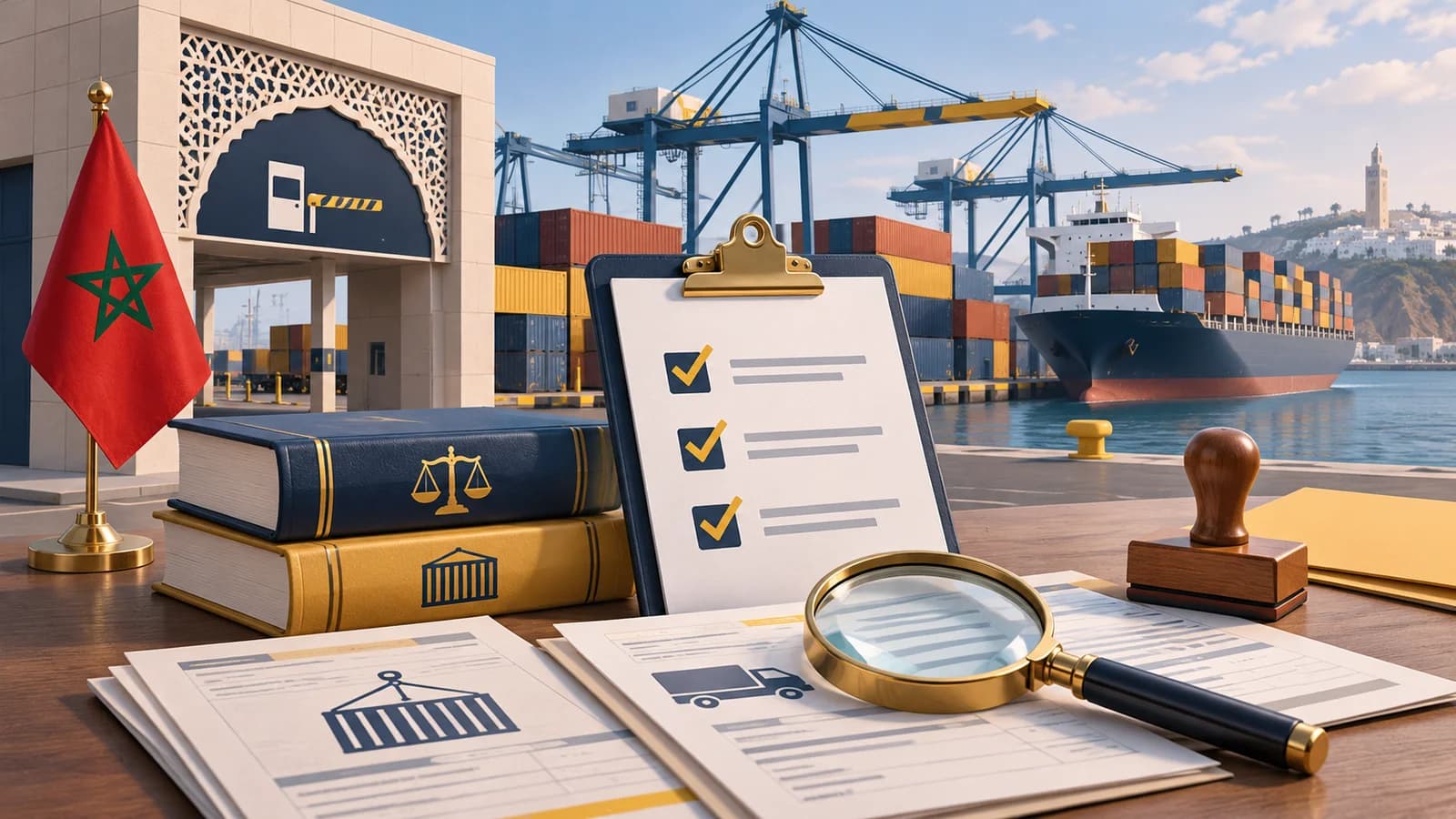
The 2030 World Cup is a global sporting event that attracts millions of spectators and generates considerable economic benefits for the host country. For Morocco, hosting such a competition could not only boost the national economy, but also lead to significant improvements in the maritime, air and road transport sectors.
This article explores the potential impact of this event on the Moroccan economy, with a particular emphasis on international trade and logistics infrastructure.
The World Cup attracts visitors from all over the world, generating a massive influx of tourists. This phenomenon directly benefits hotels, restaurants, businesses and tourist attractions, thus creating a virtuous circle of consumption. Tourism revenue can then be reinvested in various key sectors, including transport infrastructure.
To host an event of this scale, massive investments are required in stadiums, roads, airports and ports. These development projects create jobs, support local SMEs and improve the country's connectivity in the long term.
Hospitality and Catering: The increase in demand stimulates these sectors, generating additional income and promoting local employment. Transport and Infrastructure: Investments made for the World Cup improve logistics capacities, thus facilitating national and international trade flows.
Business Opportunities: The event attracts many international companies, curious to explore the investment opportunities offered by Morocco, thus strengthening bilateral economic relations. Agreements and Partnerships: Trade delegations take advantage of this global gathering to negotiate or conclude strategic agreements, memorandums of understanding or economic partnerships.
Foreign visitors discover Moroccan crafts, textiles, works of art and local products. This exhibition promotes direct sales and opens new export markets.
Moroccan agricultural products (olive oil, citrus fruits, dates, spices) are experiencing growing international demand thanks to the visibility offered by the event, thus helping to strengthen the trade balance.
The arrival of foreign dignitaries and official representatives helps strengthen Morocco's diplomatic relations. The bilateral and multilateral discussions initiated on this occasion can pave the way for new cooperation on the economic, educational and cultural levels.
The World Cup is an opportunity to integrate low-emission technologies into the transport sector: ecologically powered ships, more fuel-efficient planes, electric vehicles for public transport.
Awareness campaigns and training programs can be put in place to promote good environmental practices in the areas of maritime, air and road transport. This contributes in the long term to the country's energy transition.
The 2030 World Cup represents much more than a sporting event for Morocco. It represents a unique opportunity to accelerate economic growth, improve transport infrastructure, stimulate trade and assert the country's position on the international stage. Its benefits, if well exploited, will continue to benefit Morocco well beyond the event itself.
Categories
Recent articles